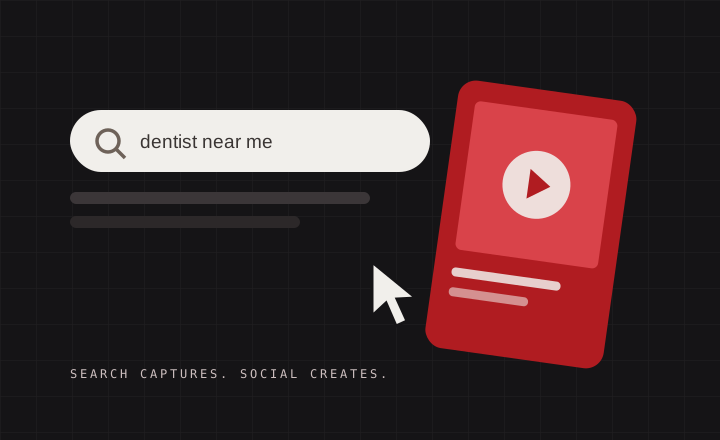
Think like someone choosing a dentist
A prospective patient may arrive with a specific question: Do you offer this service? Where is the office? Can I understand the next step? Your website should make those answers easy to find on a phone.
Use clear service descriptions, accurate practice information, genuine photography where available, and a visible route to contact or booking. Avoid promising clinical outcomes in marketing copy. Have the practice review treatment information for accuracy.
Give important services their own useful pages
A single page listing every treatment rarely gives a patient enough context. Dedicated pages can explain what a service involves, the questions to discuss with the practice, and how to request an appointment.
Write naturally for the people you serve. Mention the actual location and coverage where relevant, but avoid creating a large set of near-identical town pages. Local context should help a reader, not simply repeat a place name.
Connect local search with the real experience
Keep the practice name, contact details, address, and opening hours accurate wherever patients encounter them. Review links from business listings to the website and confirm that contact and booking routes work.
Search visibility is only part of the journey. A slow mobile page, confusing navigation, or a long form can lose a patient who was ready to get in touch. Review the experience from the search result through the actual appointment request.
Use social content to answer familiar questions
Build a realistic content plan around general education, introductions to the practice, service explanations, and practical visit information. A consistent, useful presence can give people a better sense of the practice before they call.
Get appropriate permission before using patient images or stories, and have the practice review any patient-related content before publication. An agency should work within the practice's approval process and privacy requirements.
Measure the right next step
Agree on what counts as a qualified inquiry and how the practice will record appointment requests. Page views and social reach can explain awareness, but they should not be presented as booked patients.
For a dental marketing plan in Long Island or New York City, start with a clear website, accurate local information, and helpful content. Then decide whether paid campaigns can bring the right audience to a journey that already works.
Further reading: Google’s SEO Starter Guide and Google’s guidance on local business visibility.
Put the thinking to work.
Book a free strategy call. We’ll review your current marketing and show you where the quickest wins are.
Book a free strategy call